
Data collection
First-person video from the places work actually happens.
- Perspective
- First-person
- Environments
- Workplace & home
- Process
- Brief → review → delivery
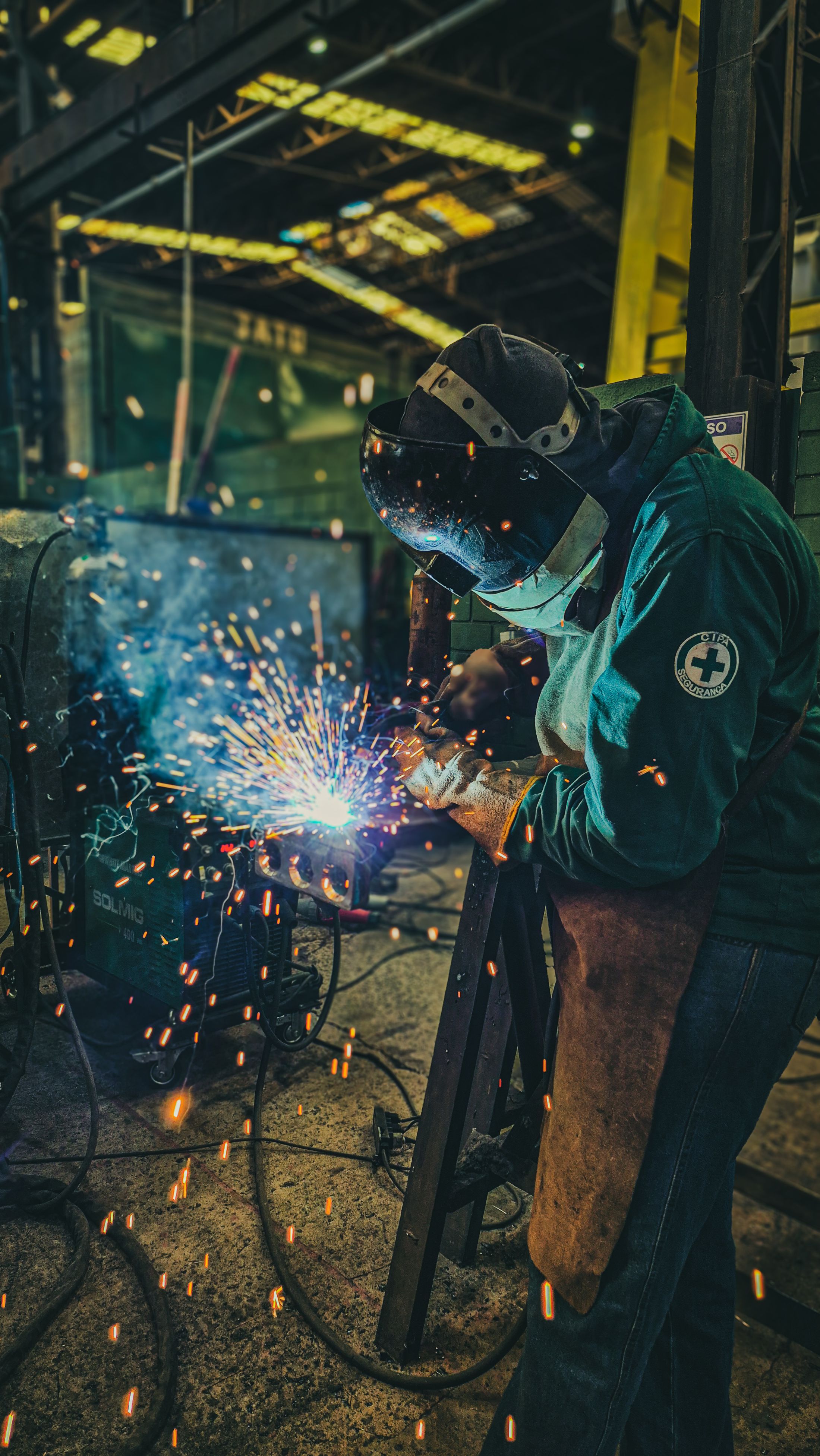
Task-level capture / welding
Illustrative image
Why first-person
A view of the task, not a demonstration of it.
First-person footage shows how a person actually holds a tool, positions their body, handles material and moves through a task. That perspective is difficult to reproduce with staged demonstrations.
Opick works with contributors who already do the work being recorded. They receive a brief, record in their own environment and submit footage for review. We coordinate the process and check what comes back.
- Hands and tools stay in view
- Real materials and conditions
- Complete task sequences
- Contributor consent recorded
What we collect
Four kinds of real-world activity.
Projects can focus on one area or combine several. The task list and environment list are agreed before recording starts.
First-person POV video
Recordings made from the contributor's own viewpoint, with hands, tools and materials kept in frame.
Workplace environments
Active sites, workshops, production floors, farms and service environments where work is underway.
Professional activities
Skilled tasks performed by people who do them regularly, captured as complete sequences rather than isolated clips.
Household activities
Everyday domestic work recorded in real homes — cooking, cleaning, repair and organisation.
Environments
Where collection takes place.
The setting matters as much as the task. These are the kinds of environments our contributor networks are organised around.
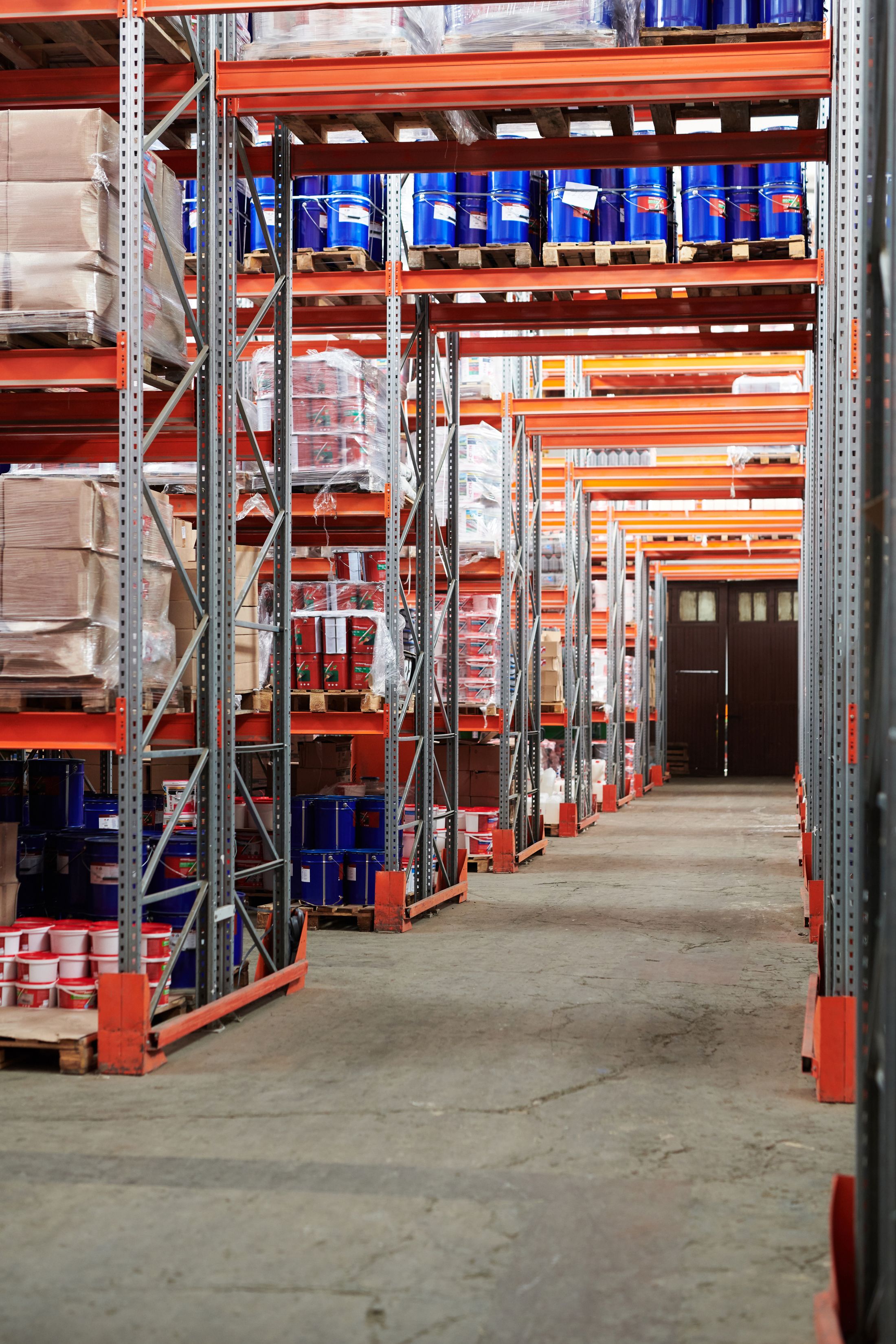
Workplace environments
Active sites, workshops, production floors, farms and service environments.
Professional activities
Skilled tasks performed by people who do them regularly, with tools and materials in view.
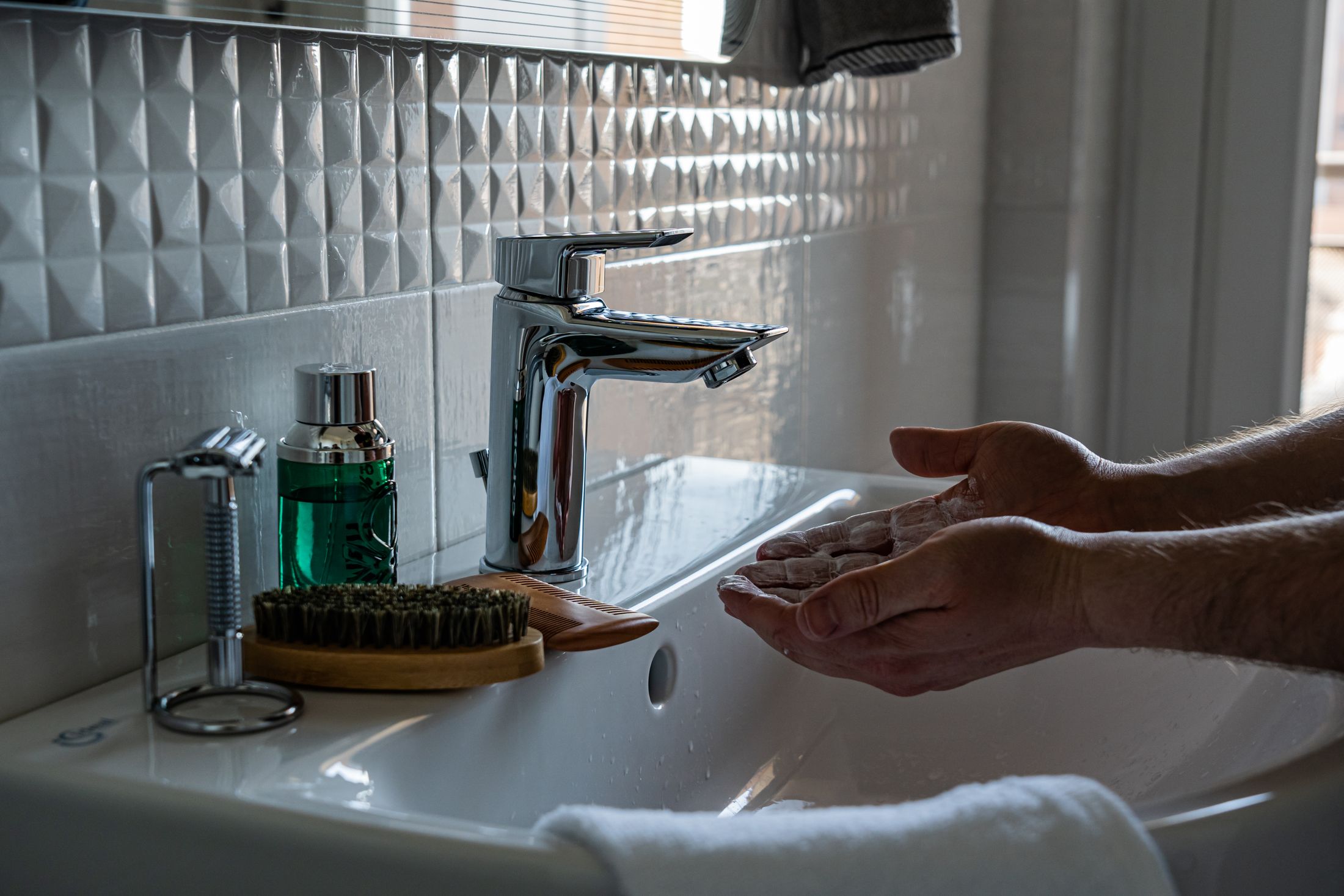
Household activities
Everyday domestic work recorded in real homes, from cooking to cleaning and repair.
Recording standards
Quality is a review process, not a claim.
These are the checks we apply to collection projects. The exact criteria are agreed with the buyer and written into the collection brief.
Consent and briefing
Contributors are briefed on what will be recorded, where it will be used and which consent requirements apply.
Framing and continuity
Recordings follow shot guidance so the task, hands and tools remain visible across a sequence.
Lighting and visibility
Contributors are asked to record in conditions where the work can be clearly seen, or to flag limitations.
Task completeness
Footage is reviewed against the agreed task list so partial or unclear sequences can be identified.
Review and selection
Submissions are checked before inclusion. Material that does not meet the brief is not passed through as delivered data.
Organisation and handover
Selected footage is organised against the agreed scope, with file handling agreed before collection begins.
Scope
Existing capabilities and custom collection.
We separate what we already collect from what can be scoped as a new project. Custom requests are assessed before any commitment is made.
Existing collection capabilities
AvailableAreas we currently organise collection around, subject to contributor availability in the required region.
- First-person video collection
- Construction and building work
- Woodworking and sawmills
- Carpentry and furniture production
- Manufacturing and industrial workflows
- Agriculture and farming
- Household activities
- General skilled trades
- Contributor recruitment and briefing
- Review and selection workflow
Custom collection opportunities
Scoped per projectRequirements that can be discussed and, where feasible, built into a project-specific collection plan.
- A specific environment not listed here
- A defined task, tool or material set
- A particular region or market
- Recurring collection across a period
- Defined framing or task-sequence requirements
- Projects spanning several industries
- Additional review or selection criteria
- Project-specific consent requirements
We confirm feasibility, region and timing before a project starts. If something cannot be covered, we will say so rather than overstate the scope.
Discuss a custom scope
Partnerships
Have a collection in mind?
Tell us the activities, environments and regions you need. We will review the scope and come back with a realistic collection plan.